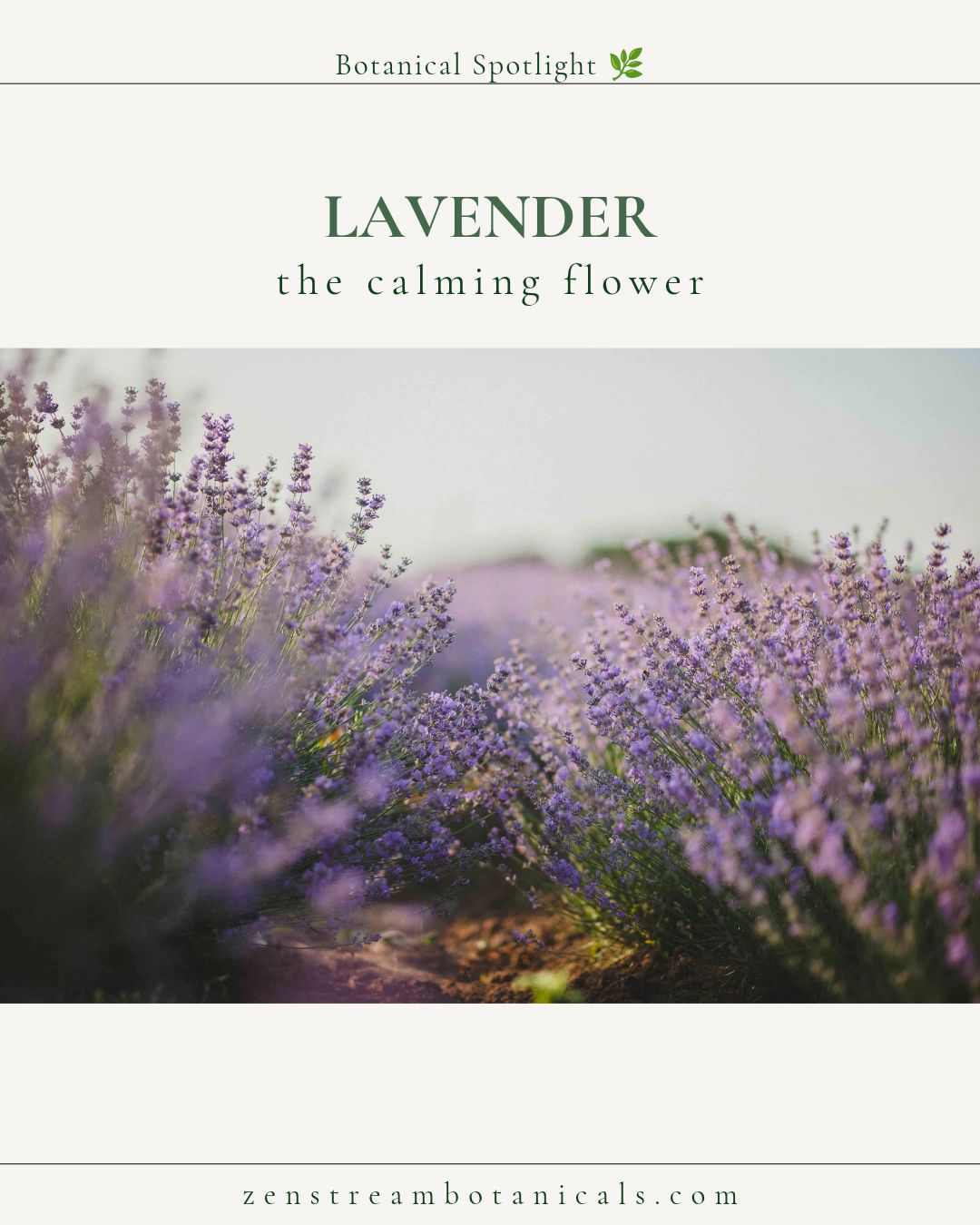


Lavandula angustifolia
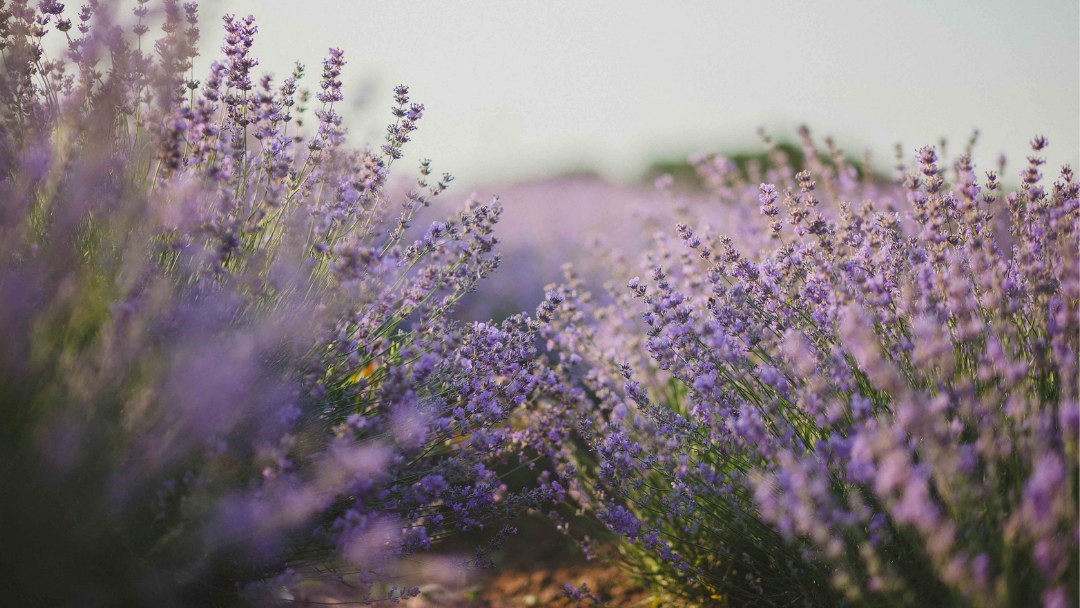
✾ The Calming Flower
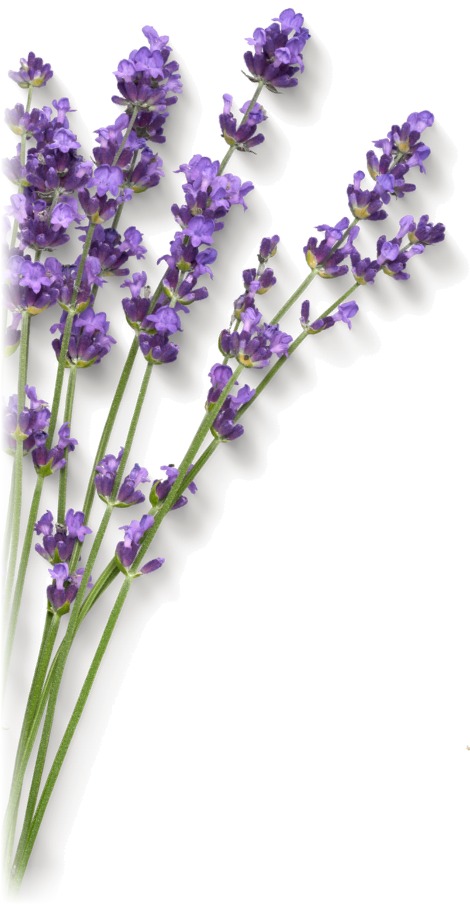
Source: Essential oil steam-distilled from the flower tops.
Character: Soft floral and fresh herbal notes with a gentle sweetness. A thin, fluid oil, typically clear to pale yellow.
Origins: Native to Spain, France, and Italy; now cultivated worldwide.
ꕥ Why We Love It
Skin: Traditionally valued for soothing skin, with emerging research into its anti-inflammatory and skin-repair potential.
Mind: Its familiar herbal-floral aroma creates a calming atmosphere—a gentle invitation to pause and breathe.
Wellness: A favorite for evening rituals—from aromatic baths to massage blends that invite you to unwind.
⚘ A Closer Look
A flower that helped shape aromatherapy.
In 1910, a laboratory accident left French chemist René-Maurice Gattefossé with a burned hand. He reported using lavender oil on it, and the experience helped inspire the research behind modern aromatherapy.
“English” lavender—with Mediterranean roots.
Lavandula angustifolia is often called “English” lavender, but it’s native to Spain, France, and Italy.
A surprising family connection.
Lavender belongs to the mint family (Lamiaceae), alongside rosemary, sage, and basil.
✧ Good to Know
Dilute it. Essential oils are potent. Lavender is best used well diluted in a carrier oil or a product made for skin, never applied neat.
Patch test first. Reactions are uncommon but possible, especially on sensitive skin.
Store it cool and dark. Keep it tightly capped, away from heat and light, to preserve its aroma.
✦ Common Questions
Is lavender the same as lavandin?
No. Lavandin (Lavandula × intermedia) is a hybrid with a sharper, more camphor-like scent. True lavender (Lavandula angustifolia) is softer, sweeter, and more floral.
Why is it called “English” lavender?
Only Lavandula angustifolia goes by that name, from its long history in English gardens. Other types have their own names, like Spanish or French lavender and lavandin. Despite the name, it’s native to the Mediterranean.
Is lavender essential oil the same as lavender hydrosol?
No. The essential oil is the concentrated, steam-distilled oil. The hydrosol is the gentler, water-based mist left behind after distillation.
❀ Find It In
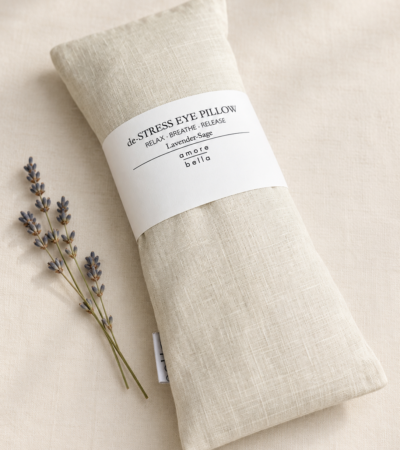
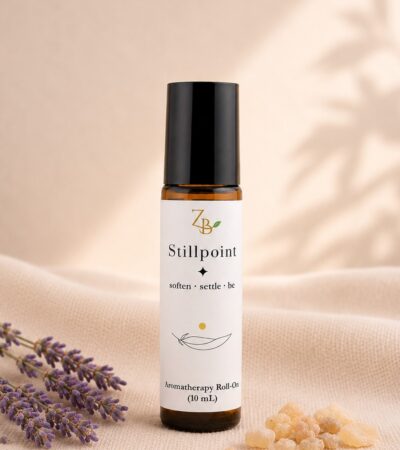
Lavender appears in these ZenStream blends.