

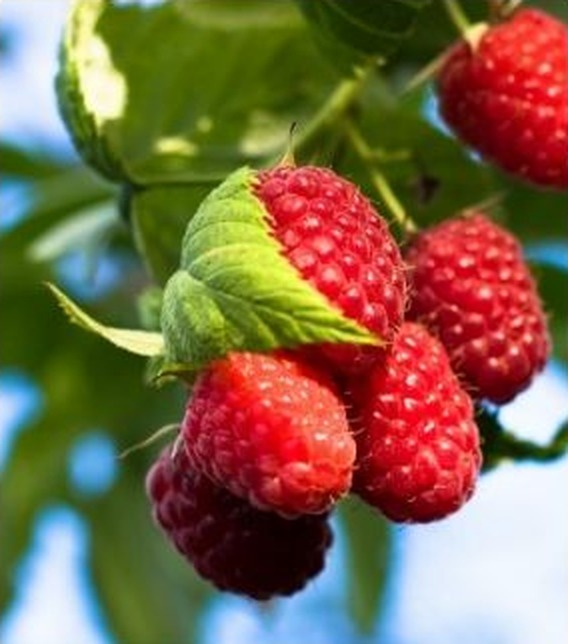
Rubus idaeus
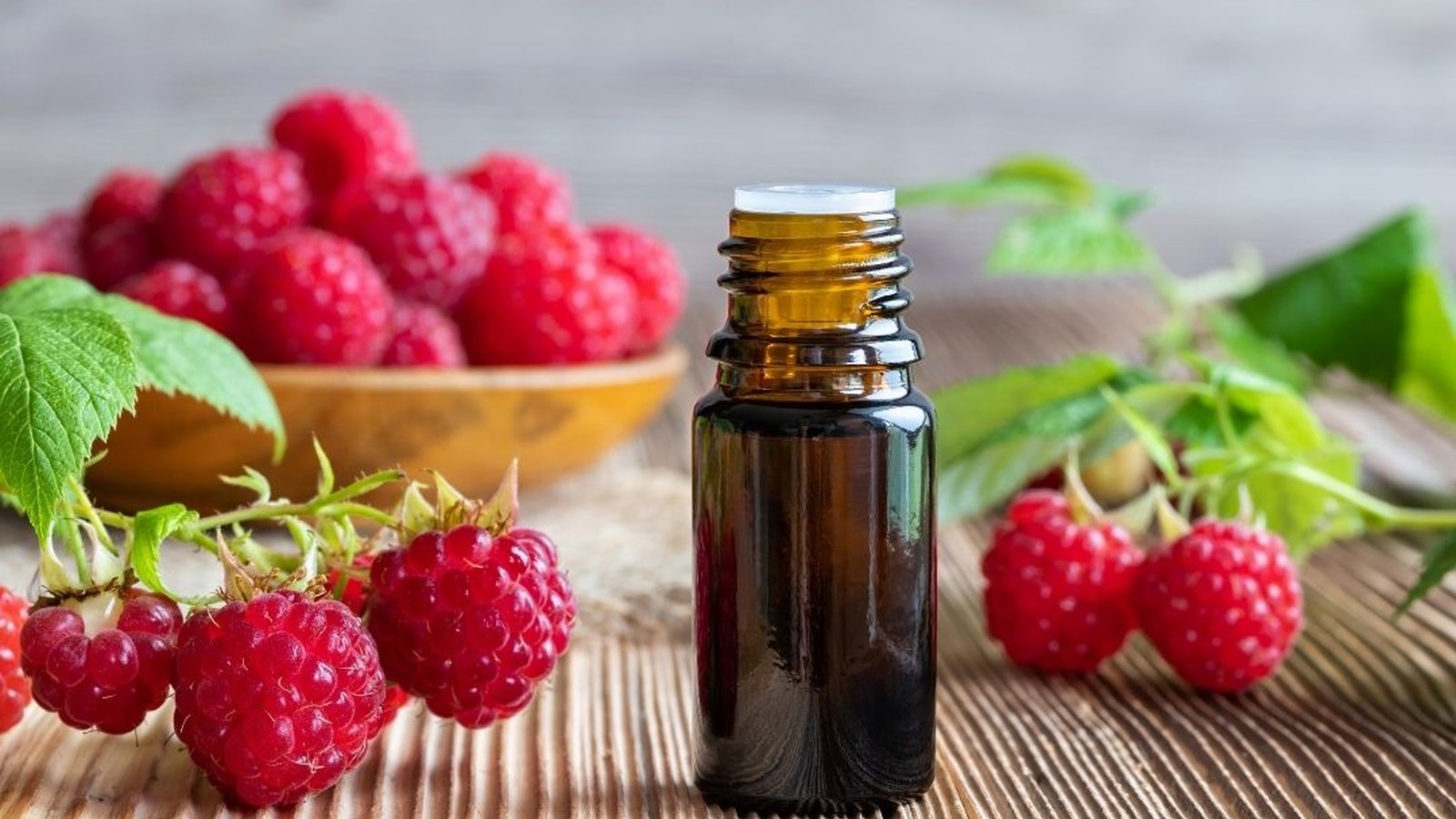
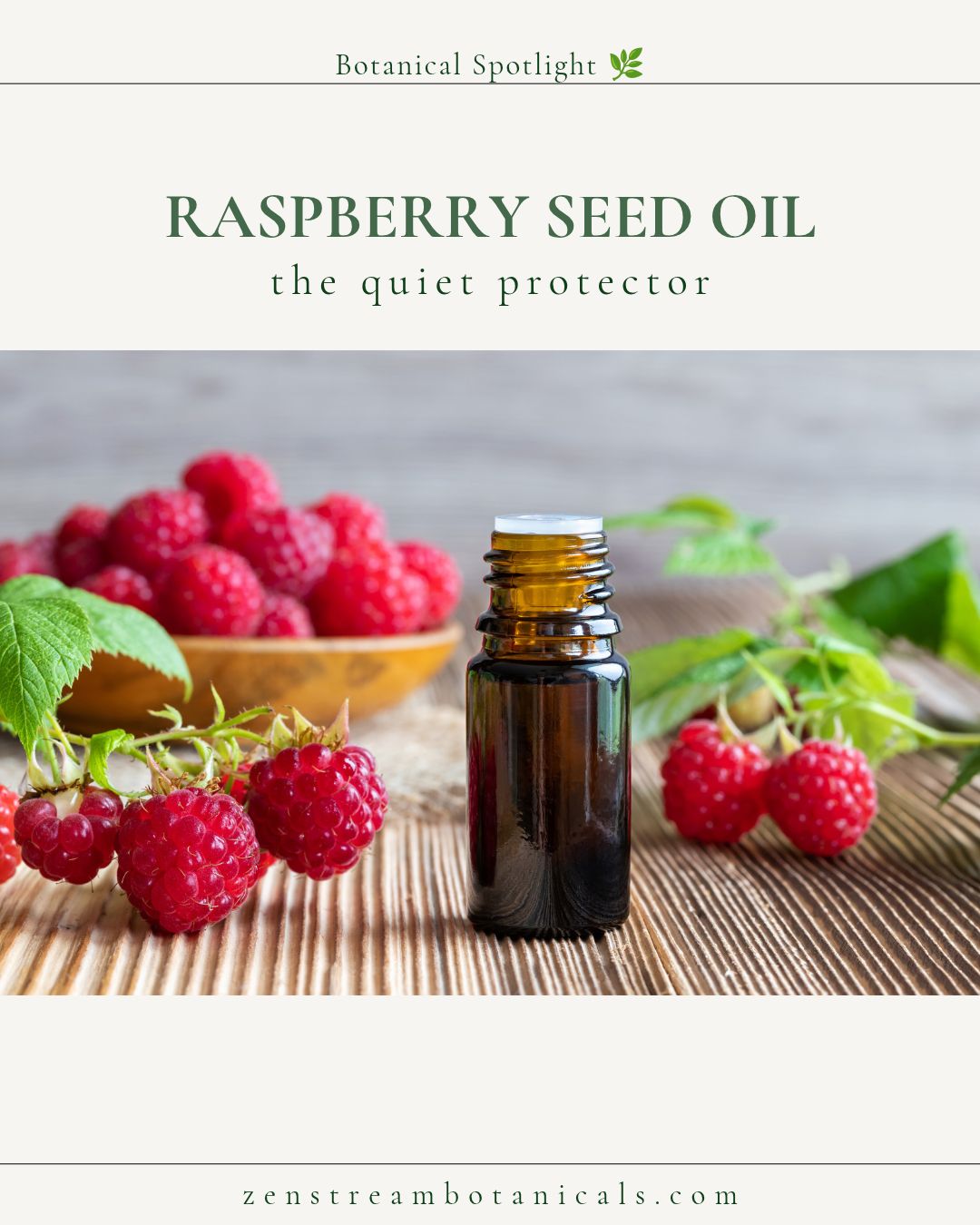
✾ The Quiet Protector
Source: Pressed from the tiny seeds found inside red raspberries.
Origins: Sourced from regions where raspberries are grown, including Europe, North America, and parts of Asia.


Character: Rich in essential fatty acids and natural antioxidants, raspberry seed oil is prized for its lightweight feel, skin-softening properties, and barrier-supportive care.
What it protects is your skin’s moisture barrier, quietly, day after day.
ꕥ Why We Love It
Feel: Lightweight, silky, and quietly nourishing, it absorbs easily without a greasy finish.
Skin: Softens and comforts dry or delicate skin, supports the skin’s natural barrier, and helps skin feel balanced, supple, and cared for.
Nourishing: Rich in essential fatty acids, including linoleic and alpha-linolenic acid, with naturally occurring antioxidant compounds.
Aroma: Unrefined raspberry seed oil carries a soft, naturally fruity scent that adds a gentle sweetness to the natural aroma of the blends we use it in.
⚘ A Closer Look
Rose family roots.
Raspberries belong to the rose family, making this tiny seed oil a botanical cousin to rose, plum, and almond, and to rosehip.
Nothing wasted.
Pressed from seeds often left behind after fruit processing, raspberry seed oil gives new purpose to something small and easily overlooked.
✧ Good to Know
Not a sunscreen. Despite popular claims online, raspberry seed oil doesn’t provide meaningful sun protection. Pair your routine with a broad-spectrum sunscreen.
Store it cool and dark. Its delicate fatty acids oxidize more quickly than most oils, so keep it tightly capped, away from heat and light.
Patch test first. Reactions are uncommon but possible, especially on sensitive skin.
✦ Common Questions
Does raspberry seed oil have SPF?
No. You may see claims online that raspberry seed oil has a natural SPF of 28 to 50, but they come from a misread study and aren’t supported. Raspberry seed oil is not a sunscreen. For sun protection, use a tested, broad-spectrum sunscreen.
Is raspberry seed oil good for oily or combination skin?
Its lightweight, fast-absorbing feel suits most skin types, including combination skin, and it absorbs without a greasy finish. As with any oil, patch test first if you’re prone to breakouts.
What’s the difference between raspberry seed oil and rosehip oil?
They’re botanical cousins, both from the rose family and both rich in linoleic and alpha-linolenic acids. Raspberry seed oil is pale gold and especially silky, while rosehip seed oil is deeper orange and best known for refining the look of skin tone and texture.
❀ Find It In
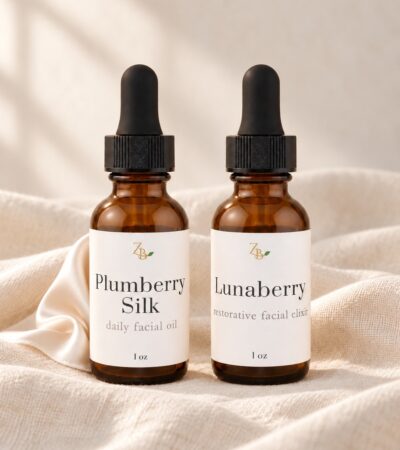
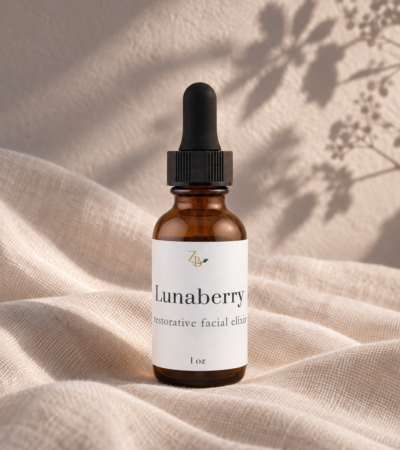
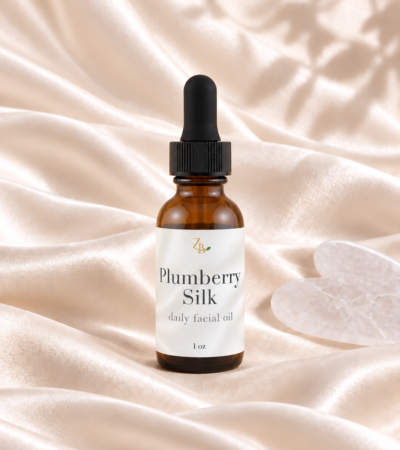
Raspberry seed oil appears in these ZenStream blends.